


Digitalization is advancing, and applications are becoming increasingly complex—along with the demands placed on the teams that build and operate them. Terms like “Platform Engineering,” “Internal Developer Platform,” and “Self-Service Infrastructure” are appearing more frequently. Leading tech companies demonstrate just how powerful a well-designed platform can be: developers move faster, work more independently, and do so more securely. But is it worth the effort for every organization? Does every company need its own “Platform Team”—or even treat the platform as a product?
Especially in times of economic uncertainty, companies are less willing to take risks and want their investments to pay off quickly. That’s why the key question IT leaders, DevOps teams, and tech leads should ask themselves is: “How much platform do I actually need?” The line between uncontrolled sprawl without standards and governance compliance, and an over-engineered platform, is razor-thin. Let’s take a closer look at what “Platform Engineering” really means, why it’s so important—and, above all, how to determine which platform strategy fits your organization.
STAY TUNED!
Learn more about API Conference
What is Platform Engineering, anyway?
To understand why Platform Engineering is so crucial today, it’s worth taking a step back.
The beginnings: Dev and Ops as silos
In the past, development and operations teams worked in strict separation. Developers wrote code and produced a deliverable—like a WAR file in the Java world—and literally “threw it over the wall” to the operations team (Fig. 1). There, admins were responsible for running the deliverable on production hardware and middleware. Sticking with the Java example: an application server had to be installed on a machine, where the WAR file would be deployed. Misunderstandings and long delays due to the separate responsibilities were inevitable.
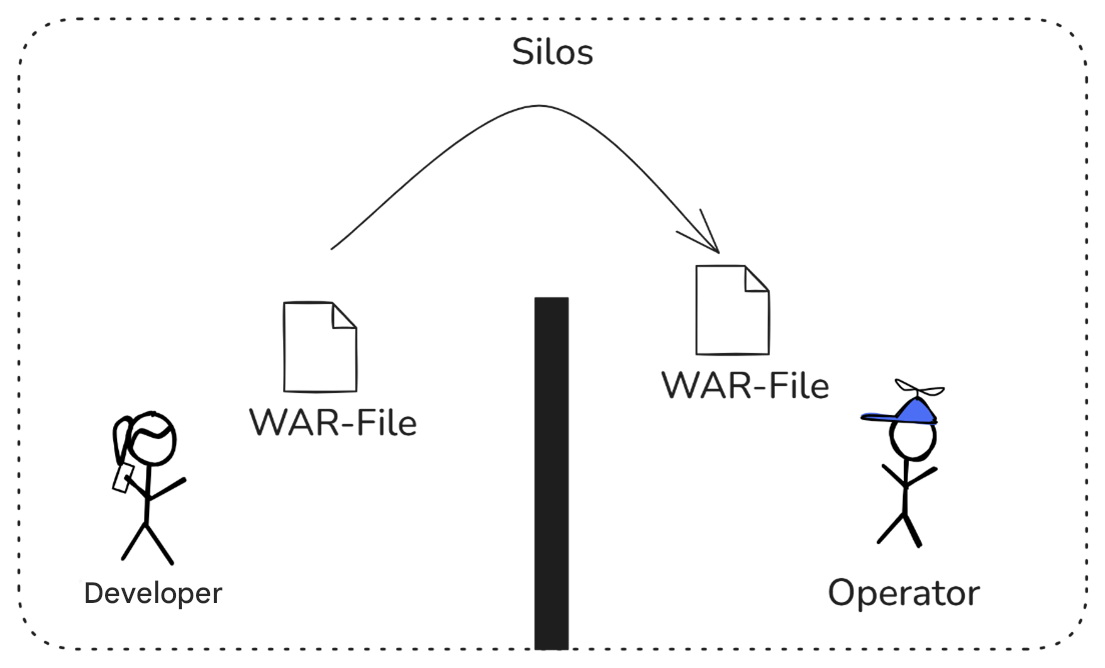
Fig. 1: The old world in silos—developers “throw” software over the wall to Ops
The DevOps Movement: Shared Responsibility
Over time, it became clear that the knowledge gained from running software is incredibly valuable for developers, allowing them to prevent operational issues early in the development process. This gave rise to the idea of DevOps: break down silos and share responsibility. Amazon popularized the motto: “You build it, you run it”—meaning developers take care of operations as well, from infrastructure to monitoring. This led to faster delivery, shorter feedback loops, and more stable systems.
However, a side effect quickly emerged: developers suddenly had to master countless new tools, cloud concepts, and security rules (Fig. 2). Cognitive load skyrocketed, and very few of the tasks DevOps introduced provided direct product value.
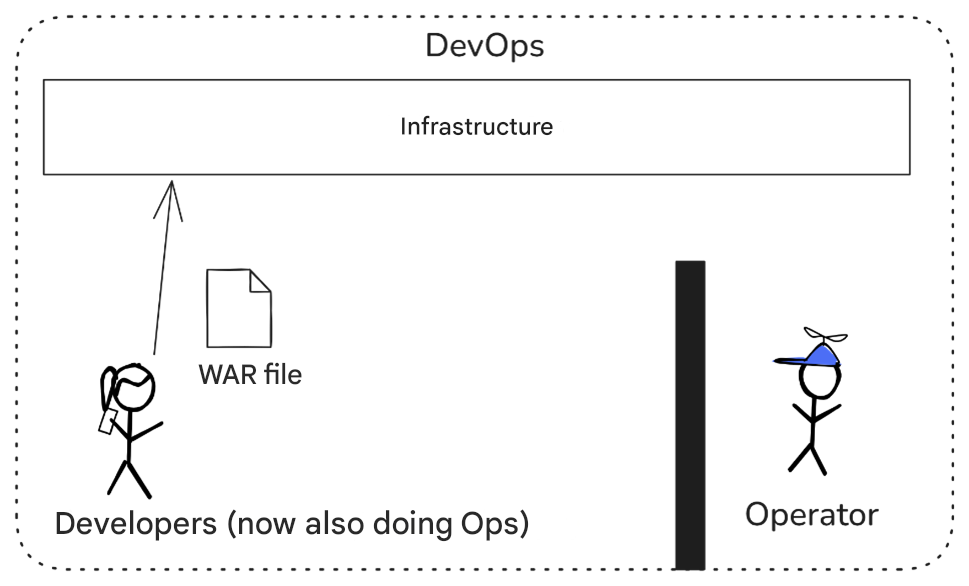
Fig. 2: The DevOps movement often ends with developers simply taking on operations tasks as well
Platform Engineering: Abstraction Instead of Overload
This is where Platform Engineering comes in (Fig. 3). It creates appropriate abstractions and provides reusable tools and services. The goal is to relieve developers of repetitive operational tasks without abandoning the core DevOps principles.
I particularly like Evan Bottcher’s definition:
“A digital platform is a foundation of self-service APIs, tools, services, knowledge, and support which are arranged as a compelling internal product. Autonomous delivery teams can make use of the platform to deliver product features at a higher pace, with reduced coordination.”
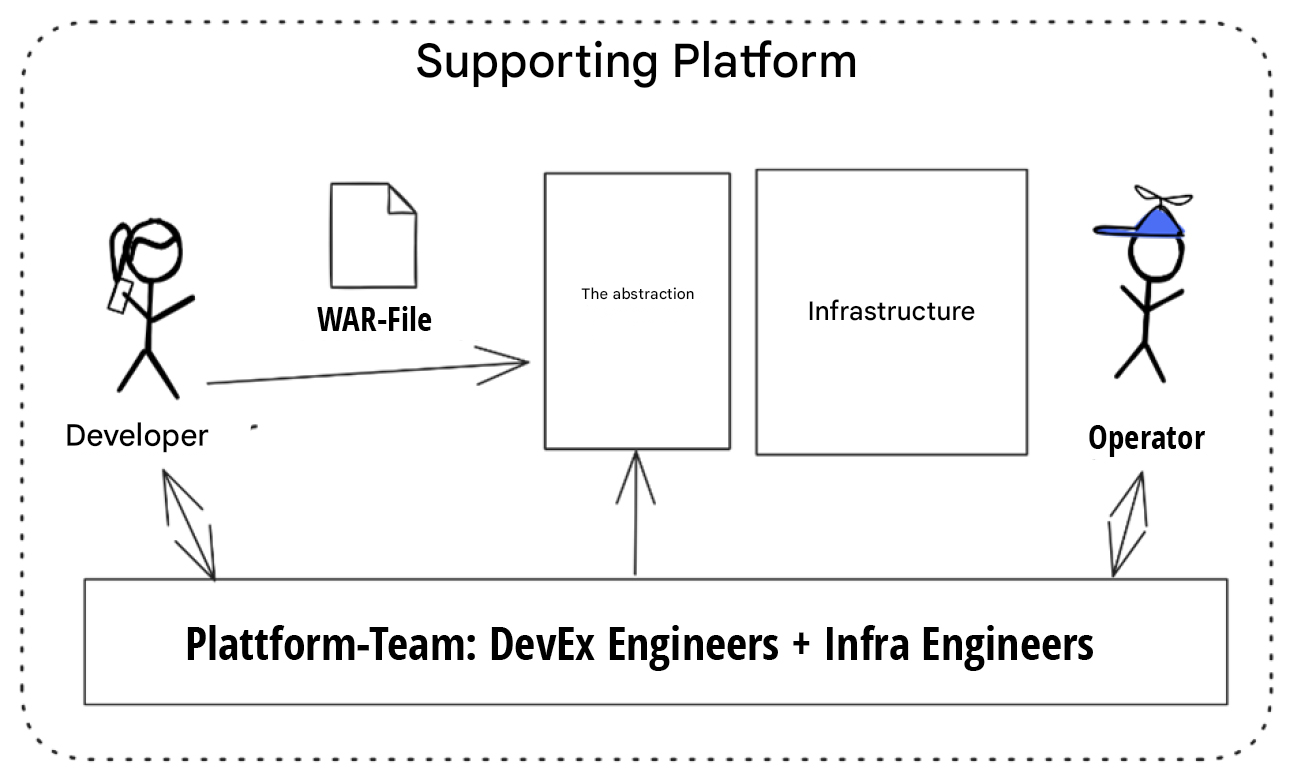
Fig. 3: Building a platform through the platform engineering team
Platform Engineering has two main objectives:
- Reduce cognitive load
- Ensure governance compliance
This is achieved by creating meaningful abstractions. A famous quote from Gregor Hohpe, a pioneer of Platform Engineering, captures this perfectly: “Build Abstractions, not Illusions.” The challenge in Platform Engineering lies in finding the right level of abstraction—enough to take work off developers’ shoulders, but without limiting their flexibility and freedom. Similarly, an abstraction is of little use if implementation details leak through, forcing developers to learn the underlying technology anyway, including the abstraction itself.
One example is Terraform. It can only serve as an implementation detail of an abstraction, such as when developers interact with an HTTP API to pass deployment information (Docker images, dependencies, etc.). But if Terraform scripts are passed directly through the HTTP API, this creates a poor abstraction, because only the deployment technology is hidden.
Whether abstractions are created with Internal Developer Platforms, self-service infrastructure, or automated pipelines is secondary: a well-designed platform provides everything teams need—bundled, secure, and easily accessible. This lets developers focus on what really matters: new features, satisfied users, and successful products.
STAY TUNED!
Learn more about API Conference
The Benefits of Successful Platform Engineering
Many teams have already adopted DevOps principles. They deploy faster, collaborate more closely, and share responsibility. But in practice, modern cloud and microservices architectures introduce so much complexity that teams quickly reach their limits. A tailored platform provides development teams with the following benefits:
Managing complexity
Cloud-native often means dozens of services, Infrastructure as Code, Kubernetes clusters, secrets management, monitoring, and security policies—all of which must work together seamlessly. A platform abstracts this complexity, bundling repetitive tasks into standardized, easy-to-use tools.
Strengthening developer focus
Every minute developers spend wrestling with YAML files, access tokens, or Terraform issues is time taken away from building features that customers actually see. Platform Engineering ensures routine tasks run automatically or are available via self-service, leaving more time for innovation.
Speed Without Sprawl
Without a platform, teams often build their own tools and scripts. This leads to duplicate work, chaos, and security gaps. A good platform provides a central foundation: standardized deployments, CI/CD, logging, and monitoring—without limiting flexibility.
Improving Security and Compliance
Platforms help integrate security and governance requirements into everyday workflows. Automated policies, clearly defined access rights, and standardized pipelines make it easier for teams to stay compliant without bureaucratic overhead.
Retaining Talent and Relieving Teams
Developer experience is a competitive advantage, especially during talent shortages. Treating the platform like a product creates an attractive work environment. Development becomes enjoyable, frustrations about tool chaos decreases, and top talent stays longer.
How Much Platform Is Just Right?
We’ve seen that Platform Engineering is a powerful tool, but not a cure-all, and implementation can be very costly depending on the level of sophistication. The central question is: how much platform makes sense for your organization?
Maturity Models
In addition to organization-specific factors, evaluating platform element maturity helps determine the right level of platform adoption.
Ad-hoc and manual
In the early phase, developers or operations teams solve problems individually using scripts or manual work. This leads to repetitive effort and higher error rates—after all, humans make mistakes.
Automated pipelines
The next maturity level introduces automated CI/CD processes and Infrastructure as Code (IaC). This makes workflows reproducible, even if they remain fragmented and not fully integrated.
Internal platforms with self-service
At a higher maturity level, companies establish internal platforms that provide self-service capabilities. Teams gain central tools for deployments, monitoring, and access management. Developers can handle many tasks independently, making processes faster, safer, and relieving other areas of responsibility.
Platform as a product with a dedicated team
The highest maturity level is reached when organizations treat their platform strategically as a product. Dedicated platform teams manage a clear roadmap, their own backlog, and continuous improvements based upon user feedback. This creates clear ownership and ensures that the platform evolves sustainably.
Influencing Factors
There is no “one size fits all” solution. The ideal platform scope depends on the organization’s individual factors and does not have a universal answer. Let’s take a closer look at the main influencing factors.
Team size and infrastructure expertise
The key factors are team size and existing skills. Small teams with experienced developers can handle many infrastructure and operational tasks themselves, while larger or technically diverse teams benefit more from centralized platform services. Technical expertise directly affects how much automation and abstraction are needed.
System architecture
The complexity of products and their underlying architecture is equally as important. A simple monolith is easier to manage than a microservices landscape with container orchestration and multi-cloud strategies. The more complex the technical environment, the greater the need for a well-designed platform that simplifies developers’ work.
Governance and compliance
Security and compliance requirements also play a critical role. In highly regulated industries like finance, healthcare, and the public sector, strict rules are indispensable. Platforms help implement security policies automatically and simplify compliance processes. A robust platform is almost mandatory when these requirements are particularly stringent.
Business strategy
The platform should also align with an organization’s business strategy. Fast-growing startups usually need flexible platforms that don’t slow innovation, whereas established companies often prioritize stabilized, standardized processes and clear rules. The platform must support the organization at its current maturity level and business objectives—whether that’s speed, stability, or compliance.
Organizational culture
Finally, organizational culture influences a platform’s success. An open culture where teams are willing to adopt new tools and collaborate makes adoption easier. Platforms require clear ownership for continuous development and improvements.
The perfect platform looks different everywhere
In summary, there is no perfect platform. Each organization must weigh its requirements, resources, and goals to find the platform that fits. Only then can a platform truly deliver value.
STAY TUNED!
Learn more about API Conference
The Path to the Right Platform
Having explored what Platform Engineering is, introduced the different platform maturity levels, and outlined the influencing factors, the next question is: how do you arrive at a platform with the right scope for your organization? As with many software projects, an iterative approach helps by delivering value quickly, learning fast, and minimizing the risk of building a platform that doesn’t fit.
The Platform Team
Before diving into the first platform component, we need to define our platform team. The following roles should be assigned:
- Head of Platform Engineering: Responsible for both the platform team and the platform itself. This role ensures that each team member can fulfill their responsibilities and that the platform objectives are achieved.
- Platform Product Manager: Oversees the vision, strategy, and features of the platform. Can be seen as analogous to a Product Owner in a Scrum team.
- Infra Platform Engineer: Represents infrastructure, operations, and, for example, security teams. They ensure that software is deployed according to the infrastructure team’s specifications, while maintaining compliance and governance.
- DevEx Platform Engineer: Represents the development teams. They understand the development process and ensure it is optimally supported by the platform, enabling meaningful abstractions to be created.
The size of the team varies depending on the company’s size, initiatives, and willingness to invest. Multiple roles can also be filled by a single person. For example, the management roles of Head of Platform Engineering and Platform Product Manager can be a single person. Another approach is to allocate team members to the platform only for a certain time. This is a viable option when platform components aren’t critical.
Alternatively, a dedicated platform team can be established. This often takes time since team members must be recruited before platform development can begin. However, this strategy has the advantage of creating a fully focused, high-performing team that can best support development teams.
To accelerate this process, we started building the platform for our clients and gradually trained their own Platform Engineers, eventually handing over the platform.
Planning Implementation
Once the platform engineering team is in place, the next step is defining initial work packages. The following questions serve as guidance:
- Which recurring tasks are consuming my team’s time?
- What processes could benefit from automation or self-service?
- Where is the greatest need for governance, security, and compliance?
- How much effort can we invest in building a platform?
- How do developers respond to new tools and standards?
The challenge is to avoid building too much platform too early, otherwise, unused features and extra work accumulate. It’s important to track how often platform components are used and what value they provide, so that we continuously question our approach and make the platform’s success visible.
Implementing the First Platform Component
Once the first platform component is defined, the next step is finding and implementing an appropriate abstraction. For example, the platform team may identify that deploying new software versions takes a lot of time because it is currently a manual process. They decide to provide a pipeline step that automates this process.
After implementation, it’s a good idea to test the pipeline step with one team and gather feedback. Once the step works smoothly, the entire organization can be informed. It’s crucial that the support threshold for using the step is low. Ideally, there should be a channel where a platform engineering team member can be immediately reached to assist with implementation or, if necessary, adjust the step to fit team requirements. It’s perfectly fine if the abstraction doesn’t fit the development team’s use case. The key to a successful platform is that development teams are not just left alone.
In larger organizations, it can also be useful to track which projects use the pipeline step and how often. This way, unused steps can be removed or adjusted. After a platform component is implemented, the selection process starts again. Through iterative development and tracking the each component’s value—e.g., using telemetry—the platform naturally converges to a scope that delivers real value without becoming over-engineered (Fig. 4).
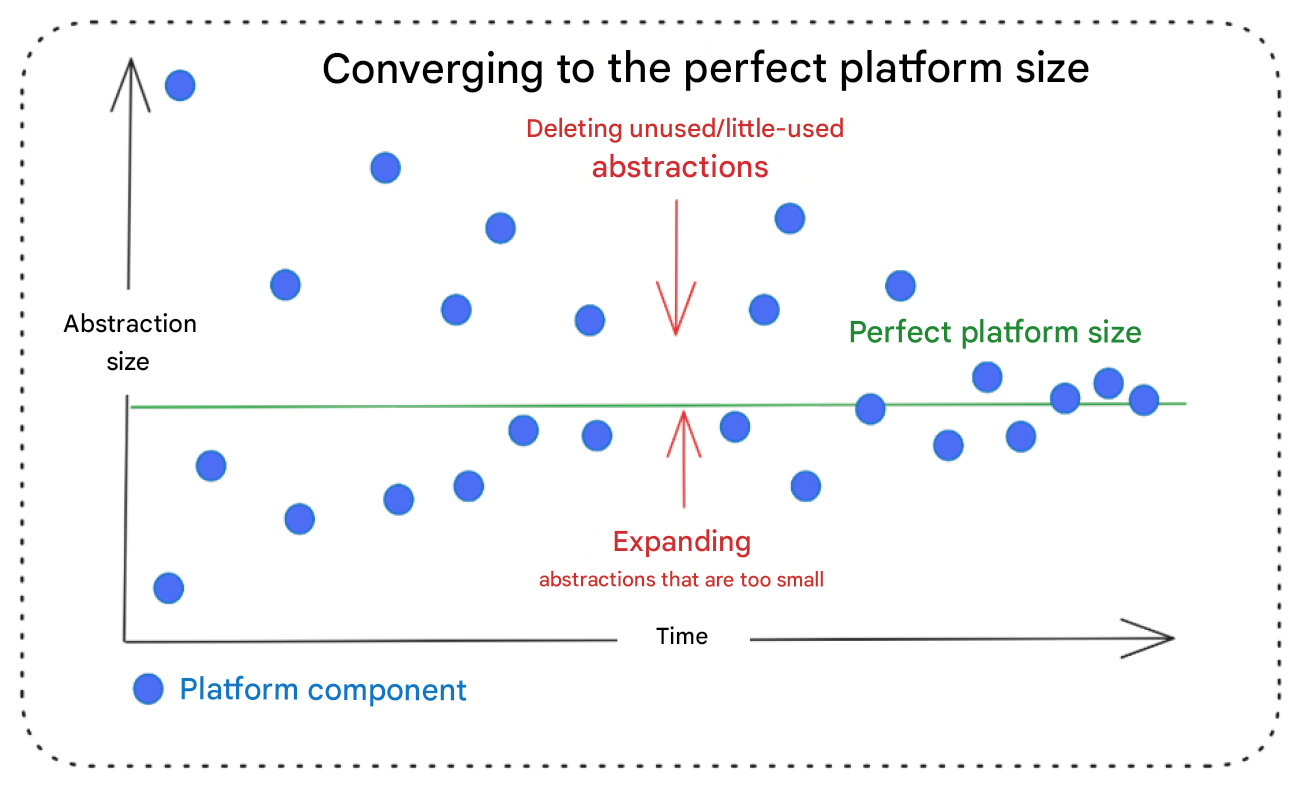
Fig. 4: Continuous feedback and adjustment ensures the right level of abstraction
Risks and Antipatterns
Platform Engineering has many benefits. But like any change, building a platform also has risks and pitfalls. Knowing these allows you to proactively mitigate them and ensure the platform’s success.
The Over-Engineering Trap
A common risk is the over-engineering trap. Platforms sometimes become too large, too complex, or overloaded with rarely used features. This consumes time and money and often causes developers to avoid the platform and build their own solutions. A platform that nobody uses provides no value.
The “Big Bang” Problem
Closely related to this is the “big bang” problem. Trying to roll out a comprehensive platform overnight usually fails. Organizations underestimate the effort required for design, implementation, and, most importantly, adoption. A platform must grow and adapt step-by-step to users’ needs.
Lack of Ownership
Another antipattern is unclear ownership. When it’s not clear who makes up the platform team and who holds which role, there is no clear direction in development. Bugs, missing documentation, and lack of continuous improvement can cause the platform to stagnate or even become a burden.
Ignoring the User Perspective
Ignoring the user perspective is a problem. Platforms must be intuitive and helpful for developers. If user requirements are insufficiently considered, the tool can make daily work harder instead of easier. Feedback loops are essential.
Underestimating Cognitive Load
The cognitive load on developers is frequently underestimated. The goal of Platform Engineering is to reduce this load—not shift it elsewhere. A platform with overly complex abstractions or opaque processes can have the exact opposite effect.
The Risk of Isolated Solutions
Finally, the risk of isolated solutions should be monitored. When individual teams build their own platform components or tools without integration, sprawl and complexity arise. Platforms thrive on standardization and reusability—this must be reflected across the organization.
STAY TUNED!
Learn more about API Conference
Outlook: The Future of Platform Engineering
Platform Engineering is a dynamic and constantly evolving field, closely tied to technical innovations and organizational changes in software development. A major trend will be increased automation through artificial intelligence and machine learning. For example, agents will be able to analyze your applications against company best practices, highlighting where they aren’t followed and suggest helpful documentation. A robust developer platform will support AI integration.
Integrating multi-cloud and hybrid-cloud environments is becoming increasingly important. Platforms will need to support heterogeneous systems and infrastructure models while still providing a consistent and seamless developer experience. Self-service functionality will continue to expand, giving developers more control and flexibility over infrastructure and deployments without compromising security and governance.
Another important trend is the growing treatment of platforms as standalone products. With clear product management, user feedback, relevant KPIs, and continuous improvement, platforms are being developed more professionally and sustainably. Developer experience will become even more central, as platforms have been recognized as a key factor in employee satisfaction and talent retention.
Looking ahead, Platform Engineering is indispensable. Organizations that set the right course today lay a stable foundation for long-term success in an increasingly complex software landscape.
🔍 Frequently Asked Questions (FAQ)
1. What is Platform Engineering?
Platform Engineering is described as the practice of creating self-service tools, services, knowledge, and support that help delivery teams ship software faster with less coordination overhead. In the article, its purpose is to reduce developer cognitive load while maintaining governance and security.
2. How did Platform Engineering evolve from DevOps?
The article explains that DevOps emerged to remove the separation between development and operations by promoting shared responsibility. Platform Engineering builds on that idea by introducing useful abstractions so developers do not have to directly manage every operational concern themselves.
3. What problem does Platform Engineering solve?
According to the article, modern cloud-native systems, microservices, Infrastructure as Code, Kubernetes, secrets management, monitoring, and security policies create too much complexity for many teams to handle efficiently. Platform Engineering addresses this by standardizing recurring tasks and exposing them through reusable, self-service capabilities.
4. What are the main goals of Platform Engineering?
The article names two primary goals: reducing cognitive load and ensuring governance compliance. A successful platform should remove repetitive operational work from developers without creating the illusion that complexity has disappeared.
5. What is a practical way to start Platform Engineering?
The article recommends an iterative approach instead of a large one-time rollout. Teams should begin with a concrete pain point, implement one useful platform component such as a deployment pipeline step, test it with one team, gather feedback, and then expand based on real usage and value.
6. Why is the right level of abstraction important in Platform Engineering?
The article emphasizes that good platforms should provide abstractions, not hide reality so poorly that implementation details still leak through. If developers still need to understand the underlying tooling in full, plus the abstraction layer on top, the platform has failed to reduce complexity.
7. What are the benefits of a well-designed internal platform?
The article highlights several benefits: managing technical complexity, improving developer focus, increasing delivery speed without uncontrolled tool sprawl, strengthening security and compliance, and improving developer experience. It also notes that better developer experience can help retain talent.
8. What platform maturity levels does the article describe?
The article outlines four maturity levels: ad-hoc and manual work, automated pipelines, internal platforms with self-service, and platform as a product with a dedicated team. These stages help organizations determine how much platform investment is appropriate for their actual needs.
9. How can an organization decide how much platform it really needs?
The article says the right platform scope depends on team size, infrastructure expertise, system architecture, governance and compliance demands, business strategy, and organizational culture. There is no universal model, so each organization must balance its own complexity, resources, and goals.
10. What roles should a Platform Engineering team include?
The article proposes roles such as Head of Platform Engineering, Platform Product Manager, Infra Platform Engineer, and DevEx Platform Engineer. Together, these roles cover strategy, ownership, infrastructure and compliance concerns, and the needs of software development teams.